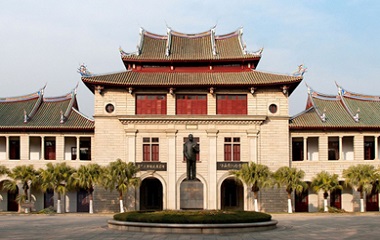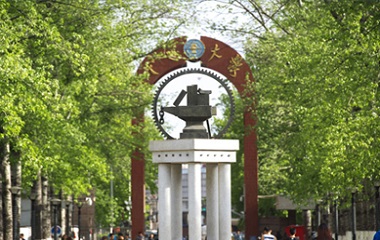





As a Malawian scholar in development studies, I arrived in Lingshui village in Beijing's Mentougou district expecting a cultural experience. But as the field visit unfolded, the village offered something deeper: a lesson in how rural communities can preserve history, strengthen identity, and turn local heritage into a source of development.
Having produced generations of imperial examination scholars, including 22 juren and two jinshi during the Ming (1368-1644) and Qing (1644-1911) dynasties, Lingshui is known as the "Juren Village". Its history reflects a long tradition of valuing education, discipline and scholarship.
What stood out most was how the village has preserved its identity. Ancient residences and courtyards of former imperial examination graduates have all been protected. Rather than being abandoned, these historical assets have been integrated into the village's present-day development.
The field study visit, organized by China Agricultural University for international students, later took us to Shuanglongxia Valley. Recognized as a national 3A-level scenic spot, the area has a vegetation coverage rate of about 95 percent and features streams, waterfalls and forests.
Mentougou has a long history of mining and resource extraction, but places such as Shuanglongxia now show how natural landscapes can be restored and used for conservation, recreation, tourism and environmental education. It brings to life the principle that "lucid waters and lush mountains are invaluable assets".
This lesson is especially relevant to Malawi's environmental and development challenges. Dzalanyama Forest Reserve is a clear example. It is a miombo woodland that supports biodiversity, helps secure water supplies and sustains local livelihoods. It provides much of Lilongwe's water through the Lilongwe Water Board, while nearby communities rely on charcoal, timber and fuelwood to meet daily needs. Yet weak governance, energy poverty and limited economic alternatives continue to drive illegal logging and forest degradation.
My experience in Shuanglongxia shows that degraded or threatened landscapes can be turned into engines of green development. Malawi can draw from this by investing in forest restoration, ecotourism, environmental education and community-based enterprises around areas like Dzalanyama. The reserve already has emerging opportunities for hiking, bird-watching, mountain biking and guided nature tours. With stronger planning, low-impact tourism infrastructure, community participation and fair benefit-sharing, Dzalanyama could support both conservation and livelihoods.
The broader message from both Lingshui and Shuanglongxia is that successful development is not built on extraction. It comes from treating rural areas as places of cultural, ecological and economic value.
Villages can preserve their identity while modernizing. Forests can protect ecosystems while creating jobs and income. Communities can move beyond survival-based resource use if governance, investment and local ownership create real alternatives.
For Malawi, this does not mean copying China's model wholesale. Malawi has its own history, institutions, communities and development priorities, so rural revitalization must be rooted in local realities, shaped by the voices of communities and supported by policies that link conservation with livelihoods.
Malawi's rural areas hold immense potential, but that potential will remain locked unless we begin to see heritage and nature as development assets rather than neglected spaces or sources of short-term extraction. Cultural sites, forests, mountains, rivers and traditional knowledge can all contribute to sustainable development if they are protected, properly planned and connected to local economic opportunities.
As a Malawian student in China, this field study deepened my appreciation of how development can be rooted in education, cultural preservation, ecological stewardship and long-term benefits for local communities. It also strengthened my belief that Malawi can build a more sustainable rural future if it protects and manages its natural and cultural assets wisely.
Written by Blessings Chiwosi, a Malawian PhD student in development studies at China Agricultural University. He is also the founder of Ambassadors Charity Trust, a registered Malawian non-governmental organization working to advance social and economic empowerment among vulnerable and underprivileged populations.